Healthcare communication must be clear, accurate, and accessible for every patient. When language barriers exist between healthcare providers and patients, the risk of misunderstanding increases dramatically. This is where video remote interpreters play a transformative role. By combining technology with professional linguistic expertise, video remote interpreting (VRI) helps hospitals, clinics, and healthcare providers deliver equitable care to diverse patient populations.
As healthcare systems become more multicultural, the demand for reliable remote interpreting services continues to grow. Video remote interpreting allows healthcare professionals to communicate effectively with patients in real time, ensuring that critical medical information is understood clearly and accurately.
What Is Video Remote Interpreting in Healthcare?
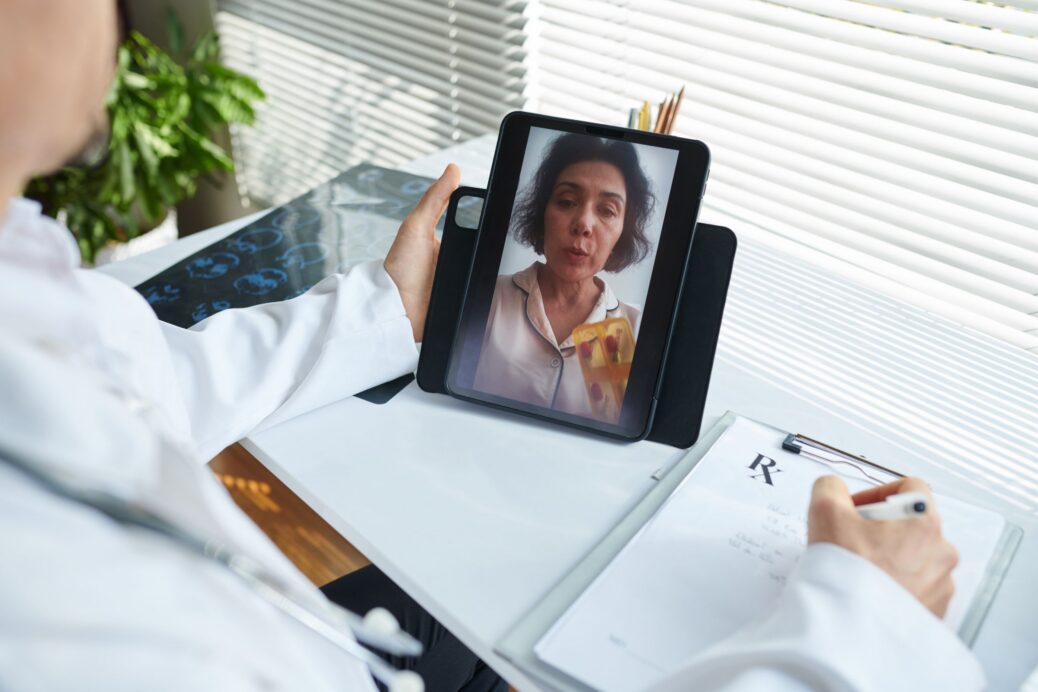
Video remote interpreting (VRI) is a language service that connects healthcare providers and patients with professional interpreters through secure video technology. Using a smartphone, tablet, or computer, medical staff can access a trained interpreter instantly without requiring an in-person visit.
Unlike traditional telephone interpretation, video remote interpreters allow participants to see each other, which helps convey facial expressions, body language, and other non-verbal cues that are essential in medical conversations.
Healthcare providers increasingly rely on VRI because it offers:
- Immediate access to professional interpreters
- Improved understanding through visual communication
- Secure and HIPAA-compliant communication channels
- Support for dozens or even hundreds of languages
Healthcare organizations looking to implement this technology often explore solutions like the Video Remote Interpreting platform offered by Accurate Language Services, which allows providers to connect with qualified interpreters on demand.
Why Language Access Matters in Healthcare
Communication errors in healthcare can lead to serious consequences, including misdiagnosis, medication errors, and misunderstandings about treatment plans. When patients with limited English proficiency cannot fully understand their healthcare provider, the quality of care may suffer.
Professional healthcare translation services and interpreting solutions help address these issues by ensuring that patients receive accurate medical information in their preferred language.
In addition to spoken interpretation, many hospitals also rely on written translation for medical documents. For example, patient forms, consent documents, and discharge instructions often require professional translation, which is why many healthcare providers also utilize specialized medical translation services to ensure accuracy and compliance.
Many healthcare organizations must also comply with federal language access requirements, including:
- Title VI of the Civil Rights Act
- Section 1557 of the Affordable Care Act
These regulations require healthcare providers receiving federal funding to provide language assistance services to patients with limited English proficiency.
Key Benefits of Video Remote Interpreters in Healthcare
1. Faster Access to Language Support
One of the biggest advantages of video remote interpreting is the speed of access. Healthcare providers can connect with interpreters within seconds, which is especially valuable in emergency departments and urgent care settings.
This eliminates the need to wait for an on-site interpreter and allows providers to deliver care without unnecessary delays.
2. Improved Patient Understanding
Seeing an interpreter on screen allows patients to observe gestures, facial expressions, and visual cues. This enhances comprehension compared to audio-only interpretation.
When patients fully understand their diagnosis and treatment plan, they are more likely to follow medical instructions and adhere to prescribed treatments.
3. Increased Efficiency for Healthcare Providers
Hospitals and clinics must manage high patient volumes while maintaining quality care. Remote interpreting services help streamline communication, reducing the time required to coordinate in-person interpreters.
Many healthcare facilities integrate interpreting technology directly into their communication systems, enabling staff to access language services quickly during consultations and patient interactions.
4. Better Compliance with Language Access Regulations
Healthcare providers must demonstrate that they provide meaningful access to language services. Implementing video remote interpreters helps institutions meet these legal obligations while maintaining accurate medical communication.
Organizations that fail to provide proper language access may face regulatory penalties or legal challenges, making professional interpretation services a critical part of healthcare operations.
5. Cost-Effective Language Solutions
Traditional on-site interpretation can be expensive, especially when interpreters must travel long distances. Video remote interpreting offers a cost-effective alternative by allowing healthcare providers to access interpreters on demand.
This flexible model allows hospitals to scale language support as needed without having to maintain a full-time on-site interpreter team.
Real-World Healthcare Applications of Video Remote Interpreters
Healthcare facilities use video remote interpreters in many situations, including:
- Emergency room consultations
- Patient intake and admissions
- Surgical consent discussions
- Mental health consultations
- Discharge instructions and follow-up care
By providing instant access to interpreters, healthcare providers can ensure that patients fully understand every step of their care journey.
Video Remote Interpreting vs. On-Site Interpretation
While on-site interpreters remain valuable for certain situations, video remote interpreting offers significant advantages in flexibility and accessibility.
| Feature | Video Remote Interpreting | On-Site Interpreting |
|---|---|---|
| Availability | Immediate | Requires scheduling |
| Cost | Lower | Higher travel costs |
| Accessibility | Anywhere with internet | Limited by location |
| Visual cues | Yes | Yes |
Healthcare providers often use a combination of both services depending on the complexity of the interaction.
The Future of Language Access in Healthcare
Technology continues to transform healthcare communication. As telemedicine expands and global populations become more diverse, video remote interpreters will play an increasingly important role in ensuring equitable patient care.
We’re in the midst of an Ai revolution, and this spark hasn’t skipped over the translation field. While yes, Ai translation can get the basics down, there’s a few key factors that make VRI a more trusted and effective option:
- Ai translation often misses subtleties and especially body language if applicable
- Ai can summarize, losing valuable details that can cause havoc in the medical field
- Ai does not care. An interpretor is able to read emotions and translate what you’re saying, while also conveying how you want it to be interpreted
Healthcare organizations that invest in professional interpreting solutions not only improve patient outcomes but also strengthen trust within the communities they serve. When paired with reliable document translation and interpreting support, healthcare providers can build a comprehensive language access strategy that supports both spoken and written communication.
Partner with a Trusted Video Remote Interpreting Provider
If your healthcare organization needs reliable video remote interpreting or specialized medical translation services, partnering with experienced language professionals is essential.
At Accurate Language Services, our interpreters are trained in medical terminology and healthcare communication standards. Organizations interested in implementing secure interpreting solutions can easily request language services or submit a translation request to get started.