
When comparing traditional Chinese vs simplified Chinese, many businesses, schools, and organizations are unsure which writing system they need. Understanding the differences between traditional vs simplified Chinese is essential for accurate communication, whether for legal documents, marketing materials, or academic content.
Choosing the correct format is not just about translation. It is about ensuring your message is understood, culturally appropriate, and aligned with your audience. Organizations often rely on professional language translation services to ensure accuracy across all content types.
Why the Writing System Matters
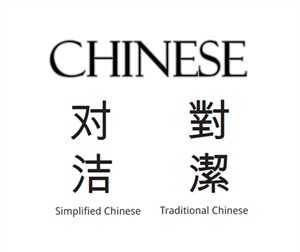
Chinese has two primary writing systems:
- Simplified Chinese – introduced to increase literacy by reducing character complexity
- Traditional Chinese – the original system with more detailed character structures
While both systems share linguistic roots, they are not interchangeable. Using the wrong format can confuse your audience, weaken your message, and impact credibility.
For example, a document translated into Traditional Chinese may not resonate with audiences in mainland China, while Simplified Chinese may not be appropriate for audiences in Taiwan or Hong Kong.
This is especially critical for institutions that rely on educational translation services to communicate with students, parents, and multilingual communities.
Where Each Chinese Writing System Is Used
Understanding your audience is key when choosing between Chinese traditional vs simplified writing systems:
- Simplified Chinese is used in mainland China and Singapore
- Traditional Chinese is used in Taiwan, Hong Kong, and Macau
Using the correct script ensures your content is both culturally appropriate and professionally presented. Businesses and institutions that need precision often work with certified translation services to ensure compliance and accuracy.
Educational Translation Services and Chinese Language Needs
Schools, universities, and educational organizations frequently require accurate Chinese translations to communicate effectively with students and families.
Professional educational translation services support:
- Translations of transcripts and academic records
- Parent communication and school notices
- Enrollment and admissions materials
- Individual Education Plans and related documents
Accurate translation in education is essential for compliance, clarity, and student success. Many institutions combine translation with interpretation services to support meetings, conferences, and real-time communication.
The Limits of Machine Translation
While automated tools can convert text between Chinese writing systems, they often lack the accuracy required for professional use. Machine translation may:
- Misinterpret cultural nuances
- Fail to distinguish context-specific meanings
- Produce inconsistent terminology
- Create errors in legal or medical content
For critical documents, working with professionals is essential. Organizations often rely on document translation services to ensure accuracy and consistency.
Real-Time Communication with Chinese Interpreting Services
In addition to written translation, many organizations need real-time communication support.
Our services include:
- Video remote interpreting for face-to-face virtual communication
- Over-the-phone interpreting for instant access to interpreters
These solutions are ideal for education, healthcare, legal, and business environments where immediate communication is required.
How to Choose Between Traditional and Simplified Chinese
When deciding between traditional Chinese vs simplified Chinese, consider:
- Target audience location
- Industry standards
- Cultural expectations
- Regulatory requirements
If you are unsure, working with professionals ensures you make the right choice. Our experts in translation services can guide you through the process and ensure consistency across all materials.
Why Choose Accurate Language Services
Accurate Language Services provides reliable, high-quality Chinese translation solutions tailored to your needs. We support businesses, schools, and organizations with:
- Experienced, specialized translators
- Industry-specific expertise
- Quality assurance processes
- Fast turnaround times
- Scalable language solutions
Whether you need translation for business, legal, or educational translation services, we ensure every project is handled with precision.
Get Started with Chinese Translation Services Today
If you need help choosing between traditional Chinese vs simplified Chinese, our team is ready to assist.
We provide accurate, professional translations that ensure your message is clear, culturally appropriate, and effective. Whether you are translating documents, expanding your business, or supporting multilingual education, we can help.
You can easily request a translation or language service and receive a free consultation from our team.
FAQs
What is the difference between traditional Chinese vs simplified Chinese?
Traditional Chinese uses original, complex characters, while Simplified Chinese uses streamlined versions designed to improve readability and literacy.
Which is better: traditional vs simplified Chinese?
Neither is necessarily better. The correct choice depends on your target audience and geographic location.
When should I use traditional Chinese instead of simplified Chinese?
Use Traditional Chinese for audiences in Taiwan, Hong Kong, and Macau. Use Simplified Chinese for mainland China and Singapore.
Do schools need educational translation services for Chinese?
Yes. Schools often require educational translation services to communicate effectively with students and families who speak Chinese, ensuring clarity and compliance.
Can I use machine translation for Chinese documents?
Machine translation is not recommended for professional use. It can lead to errors and miscommunication, especially in legal, medical, and educational content.